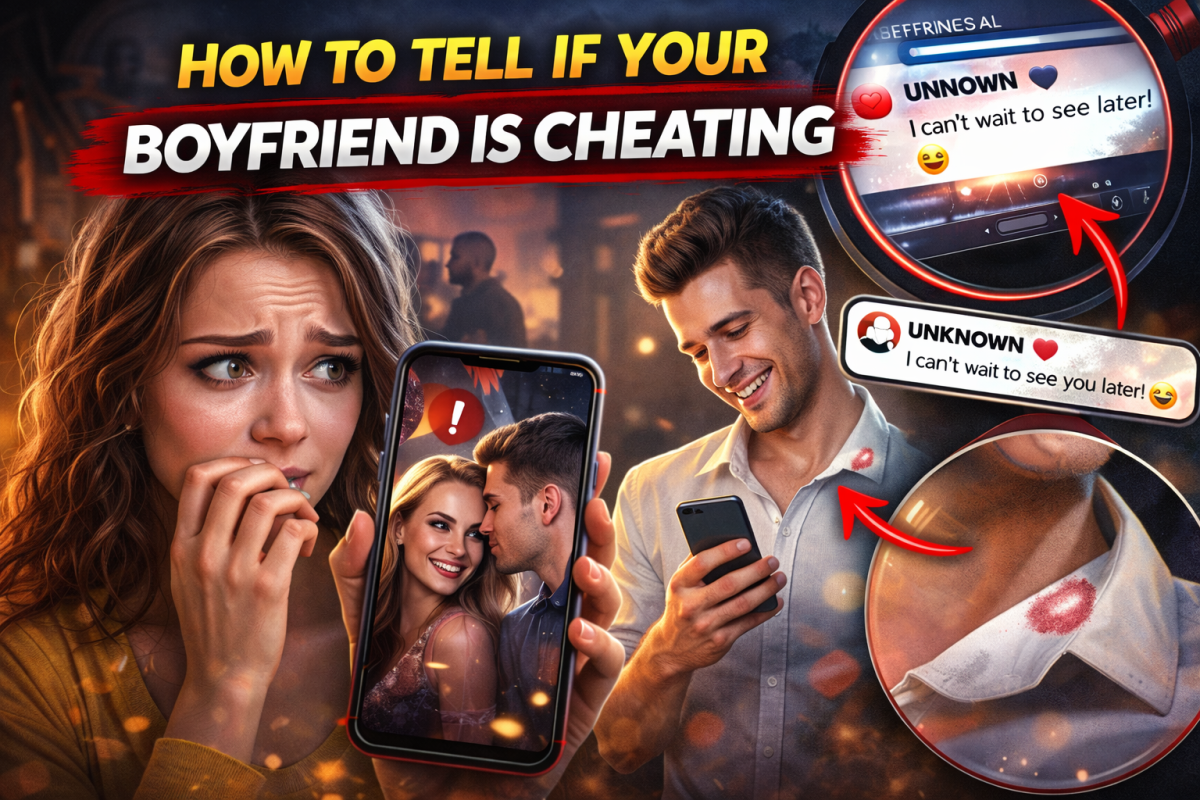
You've ever felt that nagging twinge in your gut—like when your boyfriend's phone buzzes at 2 a.m., and he flips it over faster than a pancake? Or maybe he's suddenly obsessed with his gym routine, but you're not invited to the after-party? As someone who's navigated the rollercoaster of modern dating, I know that sinking feeling all too well. Picture this: You're curled up on the couch, scrolling through old photos, when he dashes out for "errands" that stretch into hours. It's relatable, right? That mix of doubt and denial can drive anyone crazy. But hey, knowledge is power, and spotting these hidden signs early can save you from heartbreak. In this guide, we'll dive into 10 subtle clues that might indicate infidelity, backed by insights from trusted experts. We'll keep it light, educational, and packed with practical examples to help you navigate this tricky terrain without turning into a detective drama star.
Infidelity isn't always as dramatic as lipstick on a collar—often, it's the quiet shifts that whisper the loudest. According to Psychology Today, common reasons for cheating include feeling neglected or seeking variety, which can manifest in behavioral changes. Let's break it down with real-world scenarios to make it easier to spot.
1. He's Suddenly Super Protective of His Phone
Remember when you could grab his phone to check the time without a fuss? Now, it's glued to his hand like a lifeline. This classic sign points to hidden conversations or apps. For instance, if he angles the screen away during texts or sets new passwords without explanation, it might be more than privacy concerns. A study from WebMD highlights protectiveness with devices as a top infidelity red flag. Practical tip: Notice if he deletes messages obsessively—casually ask about it in a non-accusatory way, like, "Hey, your phone's blowing up—who's the lucky chatterbox?"
2. Unexplained Absences and Vague Schedules
Those "late work meetings" that pop up out of nowhere? Or weekend trips with "buddies" you've never met? If his calendar suddenly fills with mysterious gaps, it could signal time spent elsewhere. Imagine him saying he's at the office, but his social media shows a different story (oops, forgot to turn off location tags). Insights from Verywell Mind note more time away from home as a key indicator. To check without snooping: Suggest joining one of these outings playfully—"Sounds fun, can I tag along?"—and gauge his reaction.
3. A Sudden Glow-Up in Appearance
Out of the blue, he's hitting the gym, buying new clothes, or experimenting with cologne that could knock out a bear. While self-improvement is great, if it's paired with secrecy, it might be for someone else's eyes. Picture him ditching his comfy sweats for fitted shirts right before "errands." Men's Health often discusses how increased interest in looks can tie to affairs. Fun twist: Compliment the change and see if he brushes it off or gets defensive—healthy partners usually share the motivation.
4. Emotional Distance Creeps In
Conversations that once flowed like wine now feel like pulling teeth. He's less interested in your day, avoids deep talks, or seems mentally checked out. For example, during dinner, he's scrolling instead of sharing laughs. The Gottman Institute research shows emotional withdrawal as a precursor to infidelity. Practical example: If movie nights turn into solo sessions, gently probe with, "Miss our chats—what's on your mind?" It opens dialogue without blame.
5. Changes in Your Intimacy Routine
Suddenly, the bedroom feels off—maybe less affection, or oddly, a spike in enthusiasm with new moves that scream "inspired by someone else." If hugs turn rare or sex feels mechanical, it's a flag. Think of it like him trying a fancy recipe out of nowhere. Women's Health articles link shifts in sex life to cheating. Tip: Address it lightly—"Loving the energy, where'd that come from?"—to spark honesty.
6. Inconsistent Stories and Little Lies
His tales don't add up: One day, he's with Mike at the bar; next, it was a solo gym sesh. These slips accumulate like crumbs. Scenario: He mentions a "client dinner," but the receipt shows two desserts. Psychology Today warns that lying becomes habitual in affairs. Pro tip: Track patterns casually in a journal—not to spy, but to clarify your thoughts before a calm chat.
7. Overly Defensive or Angry Reactions
Ask a simple question like "Who called?" and boom—defensiveness explodes. If innocent queries trigger arguments, guilt might be bubbling under. Imagine teasing about his new haircut leading to a spat. Mayo Clinic resources on relationships note anger as a deflection tactic. Light-hearted approach: Diffuse with humor—"Whoa, touchy subject? Spill the beans!"—to ease tension.
8. Financial Secrets Emerge
Unexplained charges on the card—fancy dinners, hotel stays, or gifts you never received? Money trails often reveal affairs. For instance, a "business lunch" that costs as much as a date night. Cosmopolitan often covers how financial oddities signal cheating. Practical step: Review statements together as a "budget date"—fun and revealing without accusation.
9. Less Interest in Shared Plans
Future talks fizzle: Vacations, holidays, or even weekend plans get shrugged off. If he's avoiding commitment, it might mean divided loyalties. Picture hyping a concert, only for him to bail last-minute. A PMC study on infidelity links this to emotional detachment. Tip: Propose something low-key—"Let's grab ice cream?"—and note if enthusiasm wanes.
10. Gut Feeling That Something's Off
Trust your intuition—it's often spot-on. If the puzzle pieces don't fit, even without hard proof, it's worth exploring. As someone who's felt that vibe, I know ignoring it leads to more doubt. New York Times wellness pieces emphasize listening to instincts in relationships. Example: Subtle shifts add up, like him humming a new song from a "friend." Final advice: Journal your observations and seek a trusted friend's perspective for clarity.
Spotting these signs isn't about paranoia; it's about self-care. If several ring true, consider open communication or counseling. Remember, relationships thrive on trust, and addressing issues early can lead to stronger bonds—or the courage to move on. Backed by experts like those at Science, understanding infidelity helps you navigate with grace.
Frequently Asked Questions (FAQs)
How can I confront my boyfriend if I suspect he's cheating?
Approach the conversation calmly, focusing on your feelings rather than accusations. Use "I" statements like "I've noticed changes and feel worried." Choose a neutral time, gather specific examples, and listen to his side. If needed, suggest couples therapy from resources like The Gottman Institute to rebuild trust objectively. Avoid ultimatums initially to keep dialogue open.
Can a relationship recover after cheating?
Yes, many couples rebuild stronger post-infidelity with effort. Key steps include honest disclosure, therapy, and rebuilding trust through actions. Studies from Psychology Today show success rates around 60% for committed pairs. Focus on forgiveness, communication, and boundaries. It's not easy, but mutual willingness can lead to deeper intimacy and understanding.
What are common reasons people cheat in relationships?
People often cheat due to unmet emotional needs, boredom, or seeking validation. According to WebMD, factors like low self-esteem or opportunity play roles. Emotional disconnects, as noted in PMC research, drive many affairs. Prevention involves open talks about needs and keeping the spark alive through shared experiences.



Comments (0)
Loading comments...