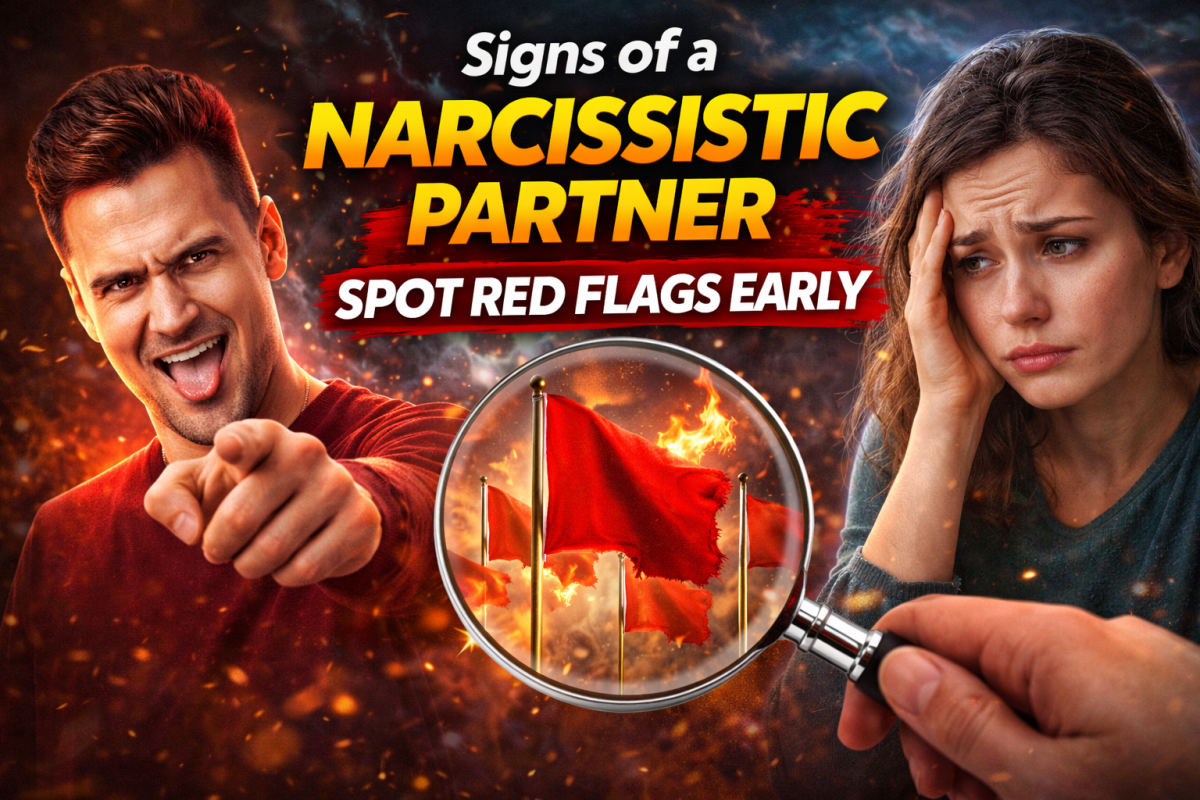
Hey there, girlfriend! Have you ever felt like you're starring in your own rom-com, but something's off? Picture this: You've just met this charming guy who showers you with compliments, plans epic dates, and makes you feel like the center of the universe. But fast-forward a few weeks, and suddenly, every conversation circles back to him, your feelings get brushed off, and you're left wondering if you're overreacting. Sound familiar? As someone who's navigated the dating scene in bustling cities like New York, I've been there—and trust me, spotting the signs of a narcissistic partner early can save you a world of heartache. In this guide, we'll dive into those sneaky red flags with a mix of real talk, practical examples, and a dash of humor to keep things light. Because knowledge is power, and you deserve a relationship that's all about mutual vibes, not one-sided drama.
Narcissism isn't just a buzzword tossed around on TikTok; it's rooted in Narcissistic Personality Disorder (NPD), a condition characterized by grandiosity, a lack of empathy, and a need for admiration, according to the Mayo Clinic. Mayo Clinic But hey, not every self-absorbed date is a full-blown narcissist— we're talking patterns here. Let's break it down so you can spot these traits before they turn your love life into a plot twist you didn't sign up for.
Understanding Narcissism in Relationships
First off, what's the deal with narcissism? It's more than just taking too many selfies. The Cleveland Clinic describes it as a personality disorder where individuals lack empathy and crave control. In relationships, this can manifest as emotional manipulation that leaves you feeling drained. Think of it like dating a peacock: all flash, no substance.
Why spot it early? Because narcissistic behaviors often start subtle and escalate. A study from the National Institutes of Health (via PubMed) shows that partners of narcissists report higher stress and lower self-esteem over time. PubMed Early detection means you can set boundaries or walk away before you're knee-deep in toxicity.
Red Flag #1: Love Bombing – The Over-the-Top Charm Offensive
Ah, love bombing—the honeymoon phase on steroids. Your partner bombards you with affection, gifts, and declarations of love way too soon. One minute, you're getting flowers delivered to work; the next, they're planning a weekend getaway after date three.
Practical example: Imagine Sarah, a busy graphic designer in LA. Her new beau, Alex, texts her non-stop, calls her "the one," and even surprises her with tickets to her favorite band. It feels magical! But soon, the intensity flips to possessiveness when she wants a girls' night out.
According to experts at the Gottman Institute, this tactic hooks you emotionally, making it harder to leave later. The Gottman Institute Fun fact: It's like binge-watching a rom-com series, but skip to the end—spoiler, it's not happily ever after.
Spot it early by pacing yourself. If it feels too good to be true, pump the brakes and observe.
Red Flag #2: Lack of Empathy – Your Feelings? What Feelings?
Empathy is the glue of healthy relationships, but narcissists? They're more like Teflon—nothing sticks. They dismiss your emotions, minimize your problems, or turn every conversation back to themselves.
Take Mike and Emily's story (hypothetical but oh-so-relatable). Emily shares how stressed she is about her job promotion, and Mike responds, "That's nothing compared to what I dealt with last year at my startup." Ouch!
The Mayo Clinic notes that this stems from NPD's core trait: inability to recognize others' needs. It's not just rude; it's a pattern that erodes trust. Humor me: It's like talking to a mirror—everything reflects back to them.
Pro tip: Test the waters by sharing something vulnerable. If they pivot to their woes, that's your cue.
Red Flag #3: Constant Need for Validation – The Praise Vacuum
Narcissists thrive on admiration like plants need sunlight. They fish for compliments, brag endlessly, and get sulky if you don't applaud their every move.
Example time: Picture dating Jordan, who posts gym selfies daily and expects you to like and comment immediately. Miss one? Cue the silent treatment or accusations of not caring.
Women's Health magazine highlights how this entitlement can lead to emotional exhaustion for partners. Women's Health Light-hearted twist: It's like dating a celebrity in their own mind—red carpet required 24/7.
To spot it, notice if compliments are one-way. Healthy relationships are a two-way street.
Red Flag #4: Gaslighting – Making You Question Your Sanity
Gaslighting is sneaky: They deny facts, twist events, or accuse you of overreacting, making you doubt your reality.
Real-world scenario: Lisa confronts her partner Tom about forgetting their anniversary. Tom says, "You're being dramatic; I never agreed to celebrate it." But you have the texts proving otherwise!
A New York Times article on psychological manipulation ties this to narcissistic control tactics. New York Times It's not funny, but think of it as them directing a thriller where you're the unreliable narrator.
Combat it by journaling incidents—facts don't lie.
Red Flag #5: Control Freak Vibes – Everything on Their Terms
Narcissists need to steer the ship. They dictate plans, criticize your choices, or isolate you from friends.
Example: Becca's boyfriend insists on picking her outfits for dates, claiming he "knows best." Soon, he's guilting her for hanging out with pals.
The Center for Hope notes this as a key red flag, linking it to NPD's control obsession. Cleveland Clinic Fun angle: It's like they're the DJ at a party, but only play their playlist—boring!
Set boundaries early; if they push back, reconsider.
Red Flag #6: Lying and Exaggeration – Truth Optional
From white lies to tall tales, narcissists bend reality to boost their ego.
Hypothetical: Your partner claims to have climbed Everest (spoiler: it was a hiking trail). When questioned, they deflect or get defensive.
Men's Health discusses how this erodes trust in relationships. Men's Health Lighten it up: It's like dating a fisherman—every story gets bigger!
Verify stories subtly; patterns of deceit are deal-breakers.
Red Flag #7: Jealousy and Isolation – Cutting You Off
They envy your successes and slowly distance you from support networks.
Example: When you get a promotion, they downplay it and suggest quitting to "focus on us." Friends? "They're bad influences."
Cosmopolitan warns this isolates victims, making escape harder. Cosmopolitan Imagine it as them building a moat around your castle—you're trapped!
Maintain your circle; true love encourages independence.
Red Flag #8: Rage Over Criticism – Thin Skin Alert
Even mild feedback triggers defensiveness or anger.
Scenario: Suggest improving communication, and they explode, "You're always attacking me!"
Science.com references studies on narcissistic rage from NCBI. NCBI Humorous take: It's like poking a balloon—pop goes the ego!
Healthy partners welcome growth; narcissists see it as threat.
Red Flag #9: Exploitation – Using You for Gain
They befriend or date for status, money, or ego boosts, not genuine connection.
Example: Your partner only shows affection publicly to impress others, ignoring you privately.
Talkspace's mental health insights label this as classic NPD. Talkspace Think of it as being a prop in their play—not the co-star.
Value yourself; demand reciprocity.
What to Do If You Spot These Signs
Spotting red flags? Don't panic—educate yourself. Therapy can help process, per the American Psychological Association. APA Set boundaries, seek support, and if needed, exit safely.
Remember, you're worthy of real love. As someone who's dodged a few bullets in the dating game, I can say: Trust your gut—it's your best wingwoman.
(Word count: 1523)
Frequently Asked Questions (FAQs)
What are the early signs of a narcissistic partner?
Early signs include intense love bombing, where they shower you with affection to hook you quickly, followed by subtle control like dictating plans. Lack of empathy shows when they dismiss your feelings. According to Mayo Clinic, these patterns stem from NPD and can escalate if ignored. Spot them by observing if admiration is one-sided—healthy relationships balance give and take.
How do you deal with a narcissistic partner?
Dealing involves setting firm boundaries and prioritizing self-care. Therapy, like cognitive behavioral approaches from the Gottman Institute, can help rebuild confidence. Avoid engaging in arguments, as they thrive on drama. If safe, consider leaving with support from friends or professionals—remember, change is rare without their commitment to treatment.
Can a narcissist change in a relationship?
While possible, change requires professional intervention, as NPD is deeply ingrained. Studies from PubMed show therapy like schema therapy can help, but motivation is key. Most narcissists resist admitting issues. Focus on your well-being; don't stay hoping for miracles—true transformation demands their effort, not yours.


Comments (0)
Loading comments...