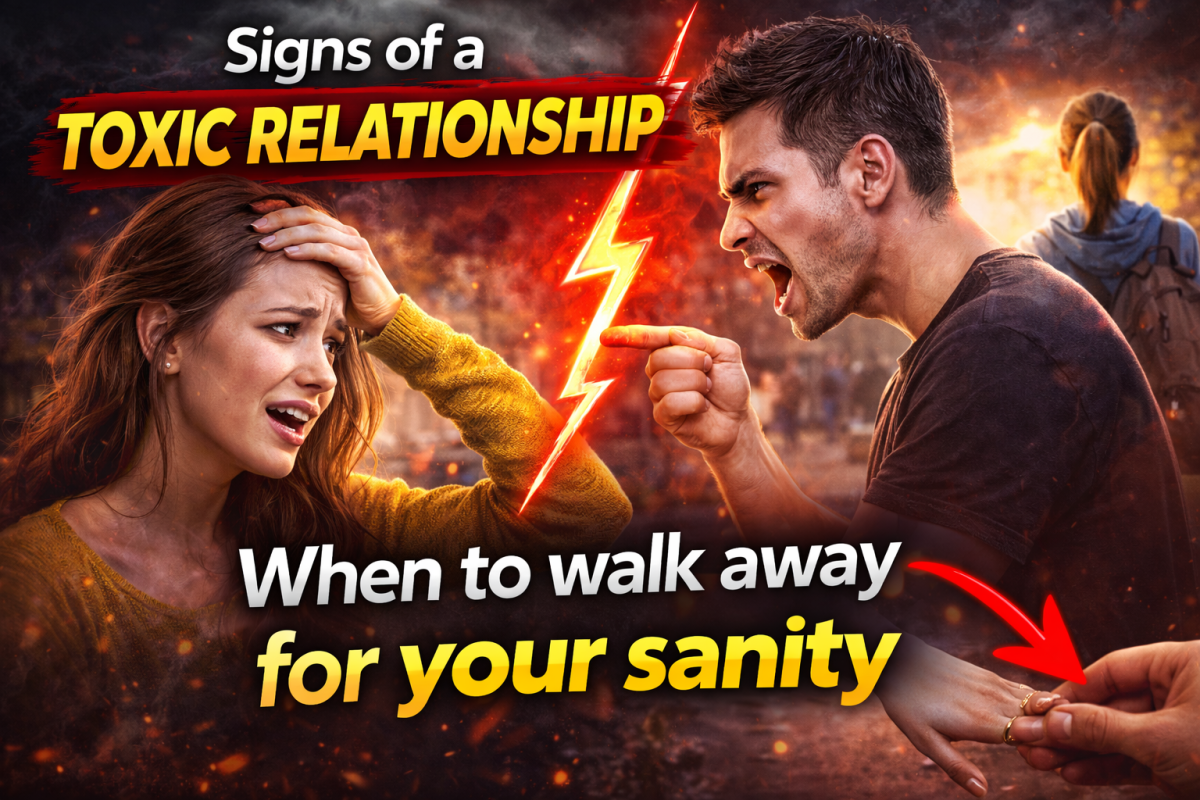
Have you ever felt like you're tiptoeing through a minefield just to avoid an argument, or like your partner's mood swings could give a rollercoaster a run for its money? Picture this: You're excited about a night out with friends, but suddenly, your phone buzzes with a barrage of texts questioning your every move. Or maybe you've poured your heart out about a tough day at work, only to be met with a dismissive "Get over it" or worse, a lecture on how it's all your fault. If this hits home, you're not alone—it's a classic setup for a toxic relationship, and as someone who has navigated the choppy waters of unhealthy dynamics, I can tell you it's exhausting. But hey, recognizing it is the first step to reclaiming your sanity. In this article, we'll dive into the signs, sprinkle in some relatable examples, and chat about when it's time to hit the eject button—all while keeping things light, because who needs more heaviness?
What Makes a Relationship Toxic?
First off, let's clarify: Not every rough patch means toxicity. Relationships are like gardens—they need watering, weeding, and occasional sunshine. But a toxic one? It's more like a weed-infested plot that's sucking the life out of everything. According to The Gottman Institute, toxic relationships are marked by patterns of harmful behaviors that erode trust, respect, and emotional safety. Think constant negativity, manipulation, or a one-sided power dynamic. It's not just about big blowups; it's the subtle drips that wear you down over time.
In healthy relationships, partners lift each other up. In toxic ones, it's a constant teardown. Mayo Clinic experts note that these dynamics can lead to stress, anxiety, and even physical health issues like headaches or insomnia. Fun fact: If your relationship feels more like a bad reality TV show than a supportive partnership, it might be time to change the channel.
Key Signs of a Toxic Relationship
Spotting toxicity isn't always straightforward—it's sneaky like that. But here are some red flags, complete with practical examples to make it real. We'll break them down so you can nod along (or cringe in recognition).
Constant Criticism and Belittling
Ever hear "You're too sensitive" after sharing your feelings? That's criticism on steroids. Women's Health magazine highlights how toxic partners often nitpick everything from your outfit to your opinions, chipping away at your self-esteem. Example: Sarah's boyfriend mocks her love for painting, calling it a "waste of time." Over months, she stops creating art altogether, feeling worthless. If compliments are rarer than a unicorn sighting, that's a sign.
Controlling Behavior
Control freaks aren't cute—they're concerning. This could mean monitoring your texts, dictating your schedule, or isolating you from friends. Cosmopolitan warns that jealousy disguised as "caring" often escalates to full-blown possession. Real-life scenario: Mike insists on knowing Lisa's passwords "for trust," but uses them to delete messages from her male colleagues. It's not love; it's a cage.
Emotional Manipulation and Gaslighting
Ah, gaslighting—the art of making you doubt your reality. "I never said that!" or "You're imagining things." According to Mayo Clinic, this tactic is common in abusive dynamics and can leave you questioning your sanity. Take Alex: His partner flips arguments, claiming he's the angry one when she started yelling. Soon, he's apologizing for things he didn't do. If conversations feel like a twisted game of Twister, it's toxic.
Lack of Support and Empathy
Partners should be your cheerleaders, not your critics. If they're dismissive of your dreams or problems, that's a big no. The Gottman Institute points out that unsupportive relationships breed resentment and loneliness. Example: When Jamie shares her promotion excitement, her girlfriend responds with "Must be nice—I'm stuck here." No high-fives, just envy. Over time, Jamie stops sharing good news.
Dishonesty and Betrayal
Lies, big or small, erode trust like acid. Whether it's hiding texts or breaking promises repeatedly, it's poison. Research from NCBI on relationship decisions shows that ongoing betrayal often tips the scale toward leaving. Hypothetical: Tom's partner swears she's not seeing someone else, but evidence piles up. The constant suspicion turns their home into a detective agency.
Unequal Effort
One-sided relationships are exhausting. If you're always initiating plans, apologies, or affection, it's imbalanced. Women's Health experts say this drain can lead to burnout and resentment. Picture this: You're planning dates, cooking meals, and handling chores while they binge-watch TV. It's not partnership; it's parenthood.
Frequent Explosive Arguments
Disagreements happen, but if every chat turns into World War III, that's toxic. The Gottman Institute identifies escalation and defensiveness as hallmarks of unhealthy conflict. Example: A simple "What's for dinner?" spirals into accusations of laziness. If peace feels fleeting, it's a sign.
Isolation from Loved Ones
Toxic partners often pull you away from support networks. "Your friends don't like me" becomes an excuse to skip gatherings. Mayo Clinic links this to controlling abuse patterns. Real talk: Emma's family notices she's withdrawn, but her boyfriend convinces her they're "toxic." Soon, she's alone with him—and his moods.
Physical or Emotional Drain
Feeling perpetually tired or anxious? Toxicity takes a toll. Cosmopolitan notes that constant edge-walking leads to low mood and exhaustion. If post-interaction you need a nap or a therapist, listen to your body.
No Accountability
Apologies? What apologies? Toxic folks blame-shift. "You made me do it!" Research from PubMed on abusive dynamics shows lack of remorse perpetuates cycles. Example: After a fight, they act like nothing happened, leaving you to pick up the pieces.
When to Walk Away: Listening to Your Inner Voice
Knowing the signs is great, but when do you bolt? Simple: When the bad outweighs the good, and efforts to fix it fail. The Gottman Institute advises evaluating if patterns like criticism persist despite communication. If therapy doesn't help or safety's at risk, it's time.
Practical tip: Journal your feelings for a week. If dread dominates joy, consider exit strategies. Build a support network—friends, family, or hotlines like the National Domestic Violence Hotline. Remember, walking away isn't failure; it's self-care. As someone who's been there, the freedom on the other side is like breathing fresh air after a stuffy room.
How to Safely Exit a Toxic Relationship
Leaving isn't easy, but here's a light-hearted plan: First, prioritize safety—have a go-bag if needed. Talk to trusted folks for emotional backup. Block contact to avoid hoovering (that's when they suck you back in with promises). Seek therapy; Mayo Clinic recommends professional support for healing. And hey, treat yourself—ice cream dates with friends beat toxic dinners any day.
Rebuild by rediscovering hobbies, setting boundaries, and dating yourself first. NCBI studies show that decisional processes involve weighing pros/cons—focus on your future happiness. You've got this; sanity awaits.
Frequently Asked Questions (FAQs)
What are the first signs of a toxic relationship?
Early indicators include subtle control, like excessive jealousy over your time or friends, or dismissive comments that erode your confidence. You might notice walking on eggshells to avoid conflict. According to Women's Health, these patterns start small but escalate, leading to emotional drain. If positives feel forced, reflect early to prevent deeper harm.
How do I leave a toxic relationship safely?
Plan ahead: Gather important documents, save money secretly, and confide in trusted allies. Block communication to resist manipulation. Seek professional help from counselors or hotlines for emotional support. Cosmopolitan emphasizes prioritizing safety, especially if abuse is involved, and rebuilding through self-care routines like therapy or hobbies.
Can a toxic relationship be fixed?
Sometimes, if both partners commit to change via therapy. The Gottman Institute suggests addressing core issues like communication breakdowns. However, if patterns persist despite efforts, or involve abuse, it's often healthier to leave. Focus on mutual respect; one-sided fixes rarely work long-term.


Comments (0)
Loading comments...